


What is Spatial Computing and Why 2025 is Its Breakthrough Year
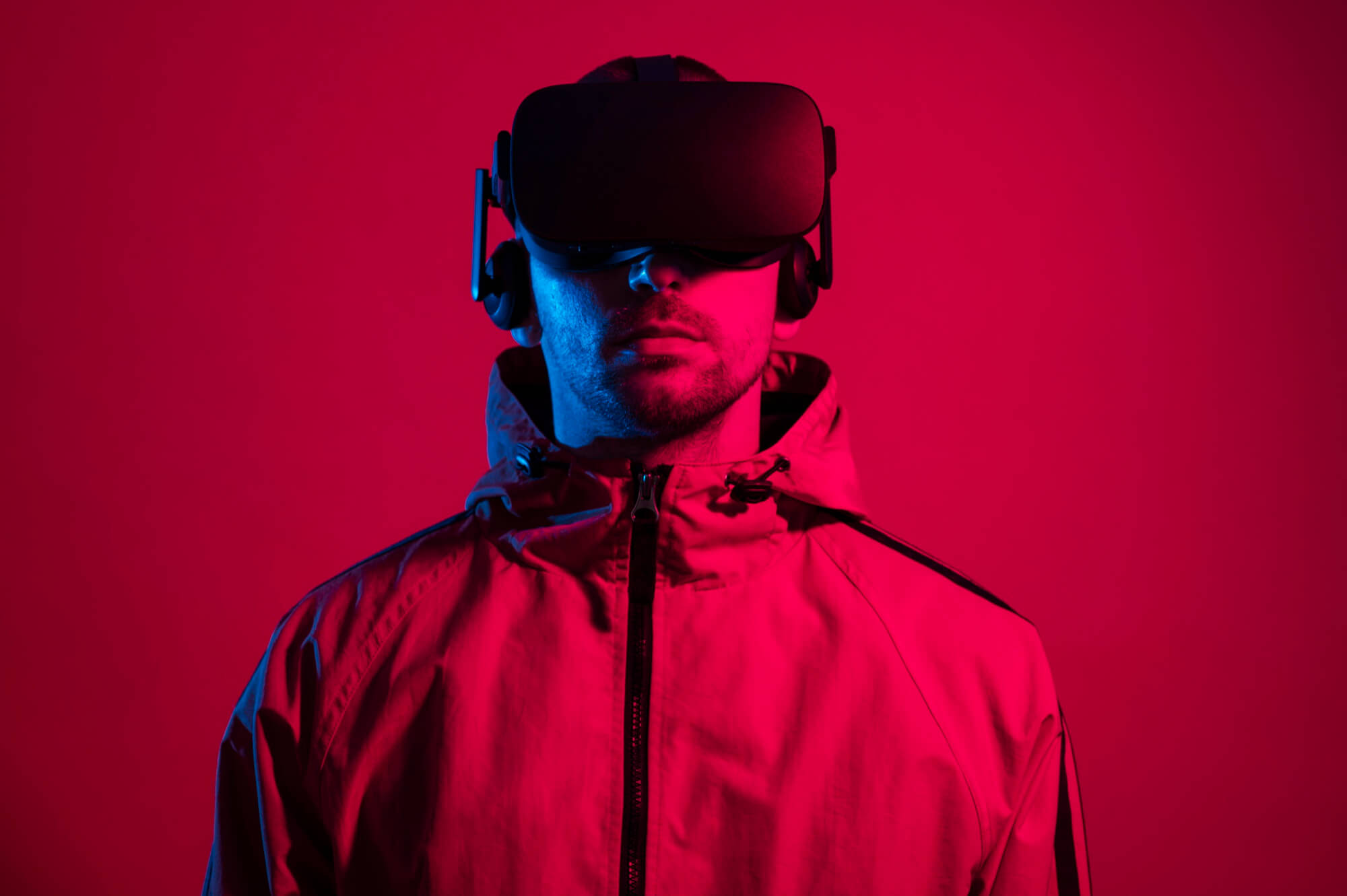
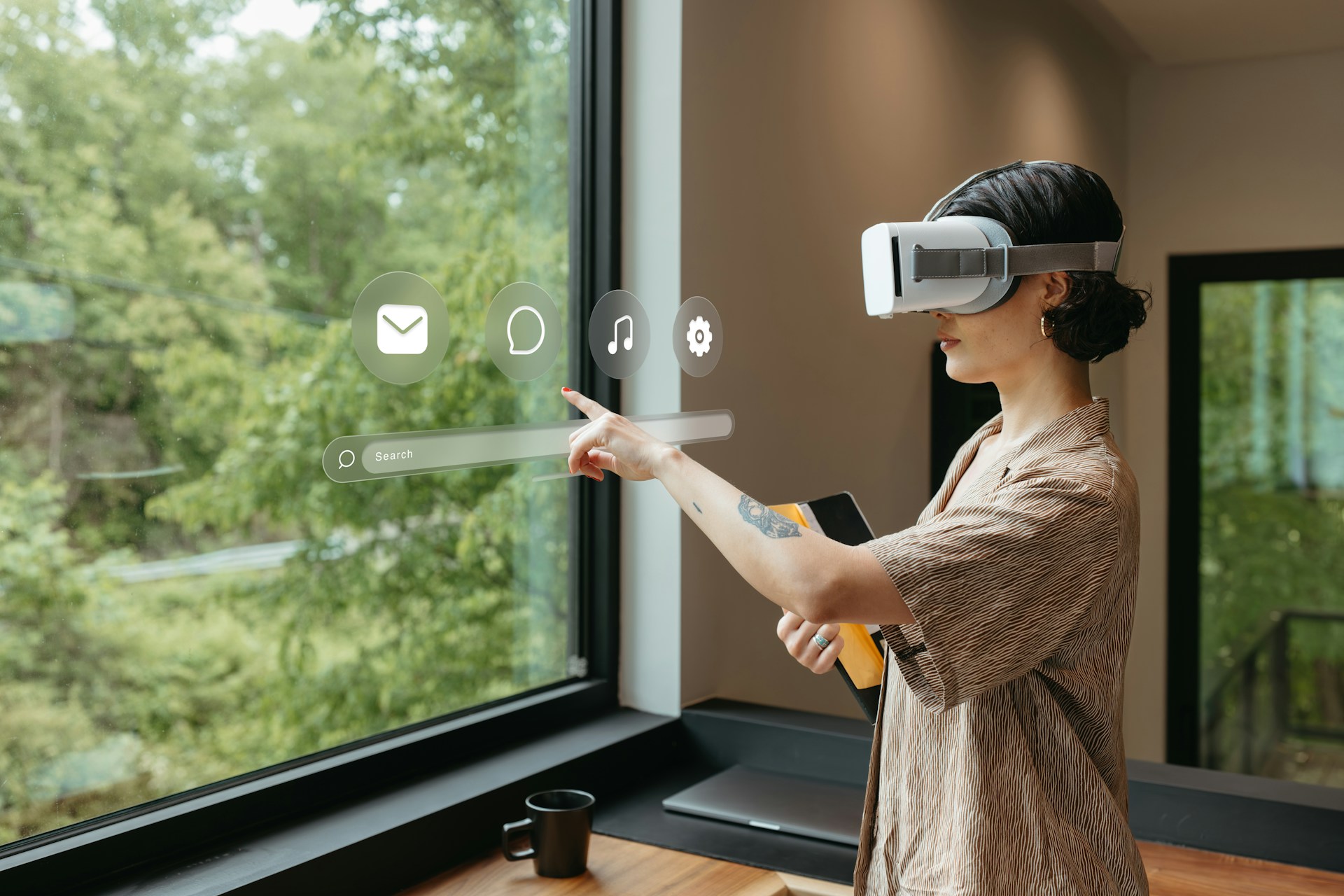
Spatial computing is revolutionizing how we interact with digital and physical worlds by combining augmented reality (AR), virtual reality (VR), mixed reality (MR), artificial intelligence (AI), IoT, and edge computing into seamless, immersive experiences. Unlike traditional AR or VR, spatial computing creates highly contextual and interactive environments that either overlay or merge with the real world. In 2025, the convergence of smarter headsets, ubiquitous 5G, and advanced software platforms positions spatial computing as a breakthrough technology gaining significant momentum.
Enterprises are rapidly adopting spatial computing for training, design, and remote collaboration. This marks a shift from experimental applications to wide-scale innovation. Furthermore, this trend is growing as companies seek innovative ways to boost productivity and user experience. This development is driven by powerful AI capabilities reminiscent of agentic AI that fuels many 2025 tech advancements agentic AI growth.
Core Technologies Powering Spatial Computing in 2025
Augmented, Virtual, and Mixed Reality in Spatial Computing
Spatial computing integrates AR, VR, and MR technologies to deliver next-level user immersion. Breakthroughs in lightweight smart glasses and headsets enable users to wear devices all day comfortably. Coupled with 5G networks, these devices deliver instant, real-time responsiveness. This is crucial for immersive experiences that cannot tolerate lag.
Moreover, this acceleration is supported by edge computing’s real-time processing strength. Edge computing is essential for spatial computing applications requiring low latency and high compute power close to users edge computing innovation.
Artificial Intelligence and Sensor Fusion
At the heart of spatial computing is AI, which makes environments contextually aware. It allows digital objects to respond smartly to users. Sensor fusion combines data from cameras, LiDAR, depth sensors, and motion trackers. This process maps physical spaces precisely, allowing virtual and real elements to blend seamlessly.
Additionally, AI models trained on synthetic datasets improve object detection and interaction predictions. Consequently, accuracy and efficiency accelerate. This process benefits from recent innovations in synthetic data generation and its application in AI training synthetic data innovation.
Key Enterprise Applications Driving Innovation
Training and Skill Development with Spatial Computing
Spatial computing enables immersive training experiences, especially useful in high-risk industries like healthcare and aviation. Surgeons, for example, can practice complex procedures in fully interactive simulations, enhancing skills with zero risk to patients.
- For example, one medical center reported a 35% improvement in surgical trainee performance after integrating spatial computing simulations.
- Similarly, industrial sectors use virtual replicas to train workers on complex machinery, reducing on-site errors and accidents.
Remote Assistance and Collaboration Enhancements
AR and MR glasses allow remote experts to offer real-time guidance with overlaid instructions visible to on-site workers. As a result, problem resolution speeds up, and cross-location collaborations improve. Industries such as energy and telecommunications already leverage these spatial computing tools. This helps them drastically cut downtime and training costs.
Design Collaboration and Product Development
Architects, engineers, and manufacturers use spatial computing to visualize 3D models and prototypes in real-world environments. Teams can collaboratively modify designs in shared spatial contexts. This approach accelerates development timelines and reduces costly errors. Moreover, this immersive capability empowers rapid innovation cycles. It reflects the similar acceleration AI-driven product discovery has in other fields AI product discovery.
Operations Optimization and Digital Twins
Spatial computing supports dynamic digital twins—precise virtual models that mirror physical assets in real-time. These digital twins enable scenario simulations, predictive maintenance, and process optimization. Consequently, businesses boost operational efficiency in logistics, manufacturing, and supply chains.
Business Impact and Market Growth Trends
The spatial computing market is accelerating with an estimated value of USD 168.6 billion in 2025. It is projected to reach nearly USD 897.5 billion by 2035. This represents a compound annual growth rate (CAGR) of 18.2%, according to Future Market Insights. This growth is driven by advances in 3D perception, AI integration, and adoption in industries including manufacturing, healthcare, and retail.
In addition, a forecast from Stellar Market Research expects the spatial computing market to grow at a CAGR exceeding 23% between 2025 and 2032. This is due to enhanced hardware capabilities and widespread 5G implementation.
Moreover, innovations in energy storage provide the power necessary to sustain high-performance devices essential for spatial computing applications AI-powered energy breakthroughs.
Challenges and Ethical Considerations
As spatial computing scales, data privacy and security rise to the top of concerns. Spatial data is highly sensitive because it maps personal environments and behaviors, which demands robust protections. Inclusivity and access also matter. Ensuring these advanced technologies do not widen digital divides is key to maximizing societal benefits.
Enterprises must use spatial computing ethically. They should balance immersive training and collaboration benefits against risks like over-dependence or skill degradation.
The Future Outlook: What to Expect Beyond 2025
Technological advancements will further weave AI-enabled spatial computing into enterprise ecosystems, including ERP and CRM platforms. User interactions will become more intuitive through innovative new interfaces. This will blur the lines between physical and digital worlds.
Spatial computing is set to redefine work, design, and communication by enabling deeper, context-aware, interactive engagements beyond today’s imagination.
Conclusion: Embracing Spatial Computing for Competitive Innovation
Spatial computing in 2025 is transforming immersive reality at unprecedented speed. Businesses that adopt and innovate responsibly will boost productivity, creativity, and competitive edge. Remaining informed and embracing ethical practices is crucial as this exciting frontier grows.
Stay ahead of technology trends by following updates on spatial computing and immersive innovation.