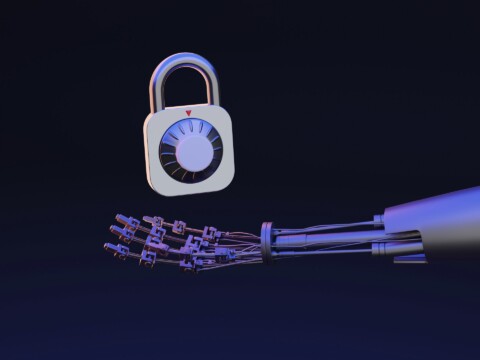




As organizations grapple with ever-expanding volumes of cybersecurity vulnerabilities, AI-driven automation is emerging as a critical innovation for vulnerability management. According to IBM Security’s 2024 analysis, organizations that extensively use AI and automation reduce the mean time to identify (MTTI) and contain (MTTC) breaches by up to 43%, accelerating response timelines by nearly 100 days compared to those without AI adoption. This reduction not only slashes financial risks but also mitigates operational disruptions critical in today’s fast-moving threat landscape.
The Overwhelming Challenge of Vulnerabilities
Cybersecurity teams face a staggering increase in disclosed vulnerabilities. By 2025, over 50,000 Common Vulnerabilities and Exposures (CVEs) are projected, translating to more than 130 new disclosures daily. This relentless stream overwhelms traditional manual triage processes, leading to delayed responses and greater exposure windows. Compounding this are high false positive rates and an inundation of vulnerability data, undermining effective prioritization.
Two major challenges include:
- Managing volume and velocity: Daily vulnerability disclosures exceed what many teams can manually assess accurately.
- Addressing complex supply chain and third-party vulnerabilities that increase attack surface unpredictability.
AI’s Measurable Impact on Breach Response and Costs
Adoption of AI-driven automation in vulnerability management is on the rise, with 31% of organizations reporting extensive use in 2024, up from 28% the previous year. This shift brings tangible benefits:
- Significant reduction in breach lifecycle metrics:
- MTTI and MTTC are decreased by up to 43%, accelerating incident handling.
- Financial impact mitigation:
- False positive and alert fatigue reduction:
Strategic Implications for Cyber Defense
AI automation transforms vulnerability management in several vital ways. It liberates security teams from the repetitive burden of manual triage, allowing focus on higher-order incident investigation and strategy. Enhanced detection speed and prioritization accuracy reduce the window attackers exploit, ultimately lowering reputational and regulatory risks.
However, as defenses rely more on AI, new risks emerge around securing AI systems themselves, emphasizing the need for rigorous AI auditability and supply chain resilience. This also aligns with broader cybersecurity shifts toward autonomous defense systems as explored in The Future Is Now: Autonomous Cyber Defense Changing 2025 Security.
Forecasting 2024–2025 Innovations
The future is oriented toward AI’s deeper integration into cybersecurity workflows:
- AI is expected to evolve from reactive detection to proactive prevention, spearheading automated patch management and remediation.
- Integration with other security layers like attack surface management and posture management will amplify breach cost reductions, savings averaging $2.2 million per incident avoided.
- Focus on securing AI development pipelines and vetting third-party AI tools will intensify to prevent exploitation of AI-specific vulnerabilities.
These developments complement trends like behavioral biometrics’ role in evolving authentication methods and telemetry’s rising impact on IoT defense, providing a holistic approach to modern cybersecurity challenges. Learn more about behavioral biometrics ushering a new cybersecurity era and telemetry elevating real-time IoT cyber defense.
Data Breakdown: AI Impact on Vulnerability Management
- Organizations with extensive AI adoption cut breach lifecycle times by 43%.
- AI-driven automation reduces average breach costs by approximately 37%.
Data Breakdown: Key Challenges Addressed by AI
- 46% of firms cite false positives as a major vulnerability management problem.
- 39% of security teams report data overload impeding effective action.
The takeaway
AI-driven automation in vulnerability management is no longer optional but essential for organizations intent on maintaining cyber resilience amid exponentially growing threat surfaces. By dramatically accelerating response times and improving prioritization accuracy, AI significantly lowers breach costs and operational risks. As cybersecurity evolves, integrating AI with broader defense systems and securing AI itself will define the frontier of precision defense. For organizations navigating this terrain, investing in AI-centric vulnerability management and aligning with emerging innovations like autonomous defense and behavioral biometrics is crucial to sustaining competitive security postures.
Explore further insights on related cutting-edge cybersecurity topics such as deepfake cyber threats in 2025 and the behavioral biometrics revolution.
Sources:
- IBM Security AI Impact Report 2024 IBM Security Data Breach Report
- 2025 Vulnerability Surge & AI Adoption Trends Cybersecurity Stats AI Vulnerability Management