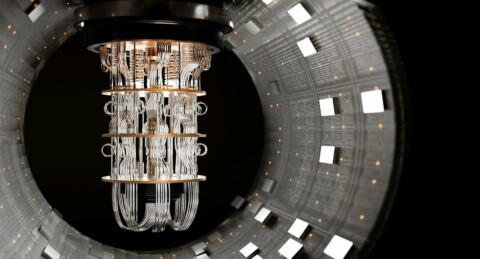




Osmotic power is reshaping how tech devices harvest energy in 2025. By tapping into the natural movement of water molecules through membranes, it offers a sustainable, reliable alternative to conventional batteries and solar power. This innovative energy harvesting method is driving breakthroughs across IoT, edge computing, and wearable technology, making it vital for professionals following tech innovation.
What is Osmotic Power and How Does It Work?
Osmotic power generates electricity by exploiting water’s osmotic pressure difference across a semi-permeable membrane. Unlike intermittent energy sources such as wind or solar, osmotic energy provides a consistent and renewable power supply.
How Osmotic Power Compares to Traditional Energy Sources
- Continuous supply: Unlike solar, it doesn’t rely on sunlight, providing stable energy day and night.
- Sustainable: It reduces reliance on disposable batteries that have limited lifespans and environmental risks.
- Scalable: Recent advances have improved membrane efficiency, allowing for larger-scale applications.
The scientific progress behind these advancements means osmotic energy is becoming a credible alternative for powering devices that operate independently or in remote areas.
Why Osmotic Power is a Game-Changer for Tech Devices in 2025
Osmotic energy offers unique benefits particularly suitable for modern technology needs.
- Ambient energy capture: Devices can generate power from nearby natural water sources without external plug-ins.
- Minimal maintenance: This reduces downtime and operating costs for networks of sensors and devices.
- Eco-friendly: It contributes to greener tech ecosystems by cutting battery waste and carbon footprints.
Industry forecasts predict a 40% annual growth for osmotic power adoption by tech enterprises through 2030. This trend fits well with innovations in spatial computing and brain-computer interfaces that require more efficient, sustainable power sources (unlocking new spatial realities, BCI power advances).
Real-World Use Cases of Osmotic Power in Technology
Osmotic power is already powering pilot projects and tech innovations globally.
Industrial Applications
IoT sensor networks in agriculture and water management use osmotic-powered nodes, reducing wiring complexity and carbon footprints.
Smart Cities and Infrastructure
Public devices like smart street lighting and environmental sensors use osmotic cells to lower grid dependency and operational costs.
Emerging Innovations
Wearable devices leveraging osmotic energy promise longer life and eco-friendliness compared to battery-powered alternatives.
These applications align with the accelerating use of AI and synthetic data to optimize device efficiency and data integrity (synthetic data innovation).
Overcoming Challenges: Innovations Driving Osmotic Power Forward
While promising, osmotic energy faces key challenges:
- Improving membrane durability: Extending life and resistance to natural fouling.
- Boosting efficiency: Increasing energy conversion rates to compete with existing power tech.
- Reducing costs: Making membrane production economically feasible at scale.
Developments in AI-driven materials science and regulatory support for green technologies are helping overcome these obstacles. These efforts mirror breakthroughs seen in AI-powered energy storage solutions (2025 battery breakthroughs).
Osmotic Power’s Role in Future Tech Ecosystems
Osmotic energy will likely complement other renewable sources, spurring partnerships across tech companies, energy providers, and governments.
Future opportunities include:
- Autonomous power for edge computing devices.
- Powering wearables and environmental sensors for smart cities.
- Integration with synthetic data and AI for fully autonomous tech systems.
Such developments will deepen osmotic power’s impact on improving sustainability and operational independence in emerging technologies.
Conclusion: Harnessing Osmotic Power for a Sustainable Tech Future
In 2025, osmotic power is more than an academic concept—it is a practical, scalable technology that is transforming energy harvesting for modern tech devices. Its continuous, eco-friendly power supply offers enterprises and innovators a reliable alternative to batteries and solar systems. To stay competitive and sustainable, technology leaders must consider osmotic energy solutions today and follow their integration into IoT, wearables, and edge computing. Explore this evolving energy frontier and contribute to a greener, smarter tech ecosystem.