


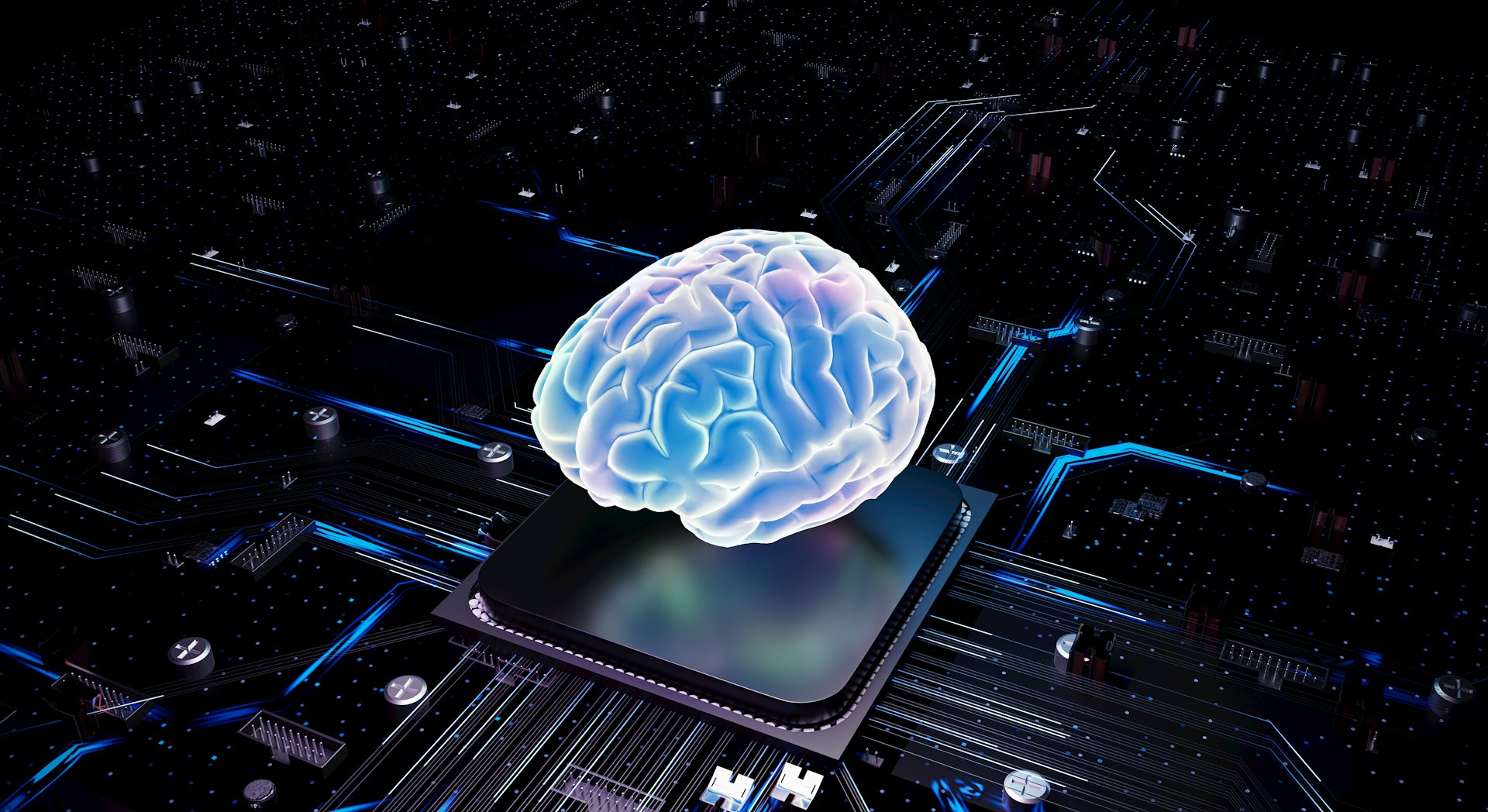
Generative AI 2.0 marks a profound evolution in AI technology, reshaping how creativity and automation drive innovation across industries in 2025. Building on its early predecessors, Generative AI 2.0 leverages advanced models that combine multimodal data and reinforcement learning to deliver unprecedented results—ranging from realistic content generation to intelligent automation of complex processes. According to a recent report by MarketsandMarkets, the generative AI market is projected to grow at a compound annual growth rate (CAGR) of over 35% from 2023 to 2028, underscoring its expanding role in business and creative sectors.
This next generation of AI technology amplifies human ingenuity while automating deeper tasks, transforming sectors such as marketing, product design, customer service, and entertainment. As the technology matures, leaders across industries are adopting generative AI tools to fuel innovation, streamline operations, and redefine workforce roles. The digital shift also drives ethical debates and new governance standards, making 2025 a landmark year for the technology’s integration and impact.
What is Generative AI 2.0?
Evolution from earlier generative AI models
Generative AI 2.0 emerges from the foundational advances of models like GPT-4 and diffusion-based image generators but extends beyond the limitations of unimodal outputs and static training. Early generative AIs mainly focused on text or images separately; however, 2.0 models integrate multiple data types (text, images, video, audio) simultaneously, delivering richer, context-aware generations. This evolution is powered by breakthroughs in model architectures and training methodologies that allow AI to iteratively learn and adapt in real-time, mirroring human-like creative processes.
Key technologies powering the new wave
At the core of Generative AI 2.0 are large multimodal models capable of understanding and generating content across diverse formats. Reinforcement learning from human feedback (RLHF) refines outputs, enabling more precise and context-sensitive results. Additionally, integration with spatial computing unlocking new realities in enterprise and brain-computer interfaces beyond imagination are expanding the horizons of generative AI applications.
Distinct features that set Generative AI 2.0 apart
- Multimodal generation combining text, visuals, and audio.
- Adaptive learning enabling continuous improvement post-deployment.
- Enhanced contextual understanding for coherent creative output.
- Ethical safeguards embedded for bias reduction and content authenticity.
- Seamless integration with IoT devices and spatial data environments.
Transforming Creativity with Generative AI
AI-enhanced content creation with case studies
Generative AI 2.0 revolutionizes content creation—be it text, art, or music—by enabling creators to co-produce with AI systems, increasing efficiency and creative diversity. Companies like Adobe have integrated generative AI into creative suites, streamlining graphic design workflows, while OpenAI’s DALL·E models demonstrate AI-generated art that inspires artists globally. In journalism, platforms like the Associated Press use AI for automated, data-driven report generation enhancing speed without sacrificing accuracy.
Collaboration between humans and AI in creative workflows
The synergy between AI and human creativity has become more collaborative than ever. Artists now use generative AI as an intelligent assistant for brainstorming, prototyping, and iterating faster. This hybrid workflow enriches creative outputs, combining human intuition with AI’s vast generative potential.
Ethical considerations and creative originality debates
Generative AI 2.0 raises critical ethical questions around authorship, originality, and AI-induced bias. Industry leaders stress the need for transparent AI governance frameworks and fair attribution standards to preserve creative ownership in human-AI collaborations.
Revolutionizing Automation and Business Operations
Automation of complex tasks beyond routine jobs
Unlike earlier AI systems focused mainly on automating repetitive tasks, Generative AI 2.0 automates complex workflows involving decision-making, creative thinking, and personalized customer interactions. This includes generating custom product designs, drafting marketing campaigns, and automating legal or financial document creation.
Industry applications—customer service, marketing personalization, product design
- Customer service: AI-powered chatbots handle nuanced queries with human-like empathy and problem-solving.
- Marketing personalization: Generative AI drives hyper-personalized content adapting in real time to user behavior.
- Product design: Generative models assist designers with prototyping innovative products faster by simulating multiple variants.
These applications contribute to new efficiency benchmarks and enriched customer experiences.
Impact on workforce dynamics and upskilling
As AI tackles more sophisticated tasks, workforce roles evolve. Demand for AI literacy and interdisciplinary skills grows, prompting companies to invest in upskilling programs that enable employees to manage AI collaborations effectively.
Latest Trends and Innovations in Generative AI 2025
Integration with spatial computing, brain-computer interfaces, or IoT
Generative AI 2.0 increasingly integrates with spatial computing and brain-computer interfaces, revolutionizing interaction with digital content. For example, spatial data combined with AI-generated visuals drives immersive enterprise solutions seen in the metamaterials revolution and environmental technologies like osmotic energy.
Advances in AI governance, transparency, and safety
Recent advancements emphasize regulatory guidelines enforcing transparency and mitigating misuse risks. Partnerships like the AI Ethics Initiative by IEEE set standards to ensure safe and responsible AI deployment.
Market statistics and growth forecasts
- The global generative AI market is forecasted to exceed $70 billion by 2027 according to Fortune Business Insights, led by transformations in media, retail, and healthcare sectors.
- Adoption rates in creative industries have surged, doubling since 2023.
- Generative AI startups attracted record venture capital investments exceeding $3 billion in 2024, showing vibrant innovation activity.
Challenges and Opportunities Ahead
Technical limitations and regulatory concerns
Despite progress, issues like model bias, data privacy, and computational costs remain hurdles. Fragmented regulations worldwide add complexity for AI developers seeking global scale.
Opportunities for startups and innovators
Generative AI 2.0 creates fertile ground for startups exploring novel SaaS applications, marketing tools, and integrations with spatial computing or brain-computer interfaces that redefine user experience.
Predictions for next phases of generative AI evolution
The future points to autonomous multi-agent AI systems capable of complex problem-solving and human-like creativity expanding into new domains.
Conclusion
Generative AI 2.0 is reshaping creativity and automation with advanced capabilities and broad industry adoption in 2025. Combining emerging tech insights and ethical frameworks, it promises an era of unprecedented innovation and collaboration. To deepen your knowledge, explore linked articles on spatial computing, brain interfaces, and metamaterials.