


AI-driven Brain-Computer Interfaces (BCIs) are redefining the frontier of human augmentation. This fusion of neurotechnology and artificial intelligence enables direct brain-to-device communication, opening new horizons for cognitive and physical enhancement. In 2025, AI-driven Brain-Computer Interfaces are experiencing rapid growth with transformative applications across healthcare, enterprise, and consumer sectors. According to recent estimates, the global BCI market is expected to surge past $3 billion by 2026, underscoring the urgent need to understand this evolving technology and its implications global BCI growth.
Understanding AI-driven Brain-Computer Interfaces: The Basics and Beyond
What Are AI-driven Brain-Computer Interfaces?
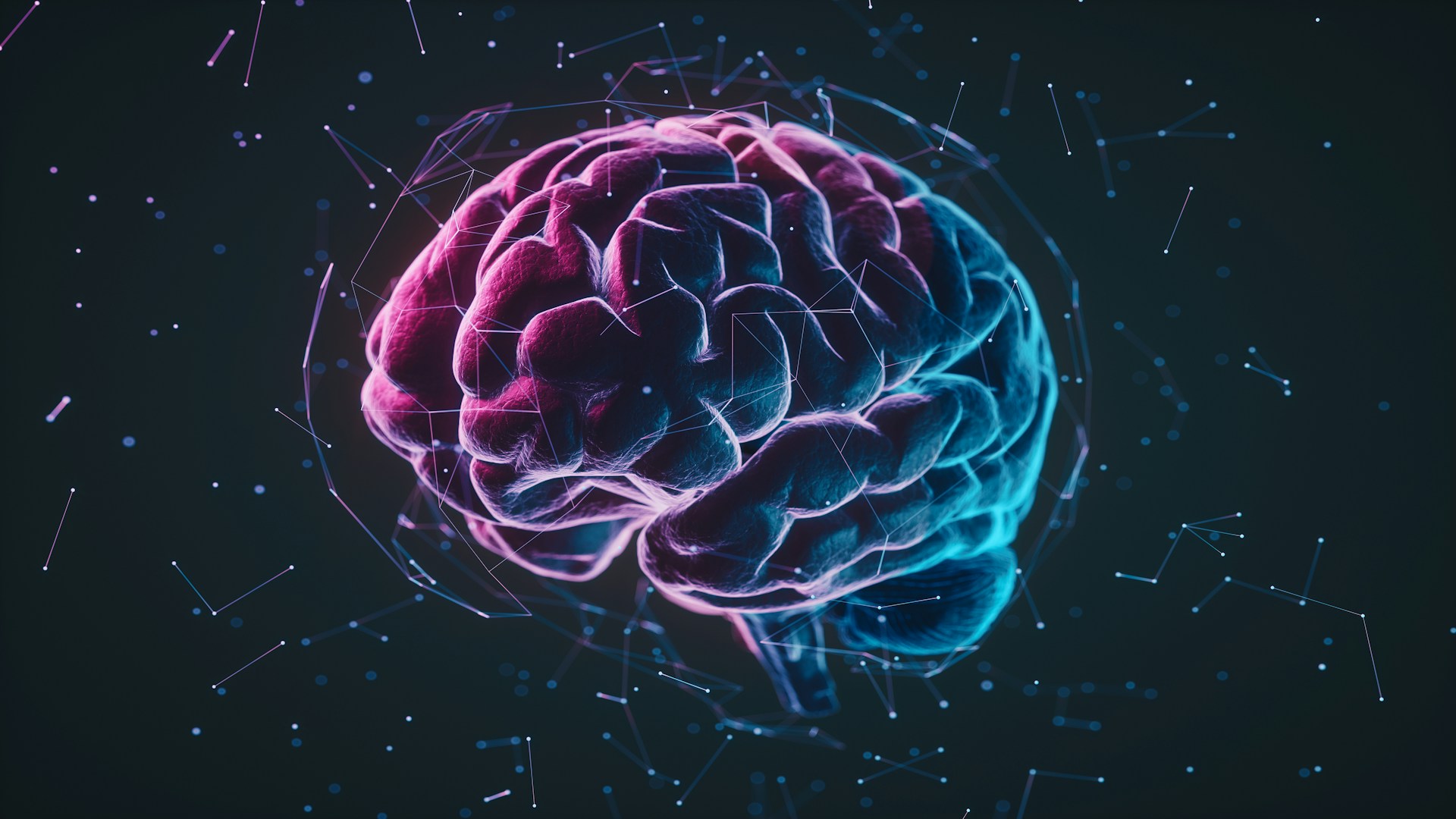
AI-driven Brain-Computer Interfaces enable direct interaction between the human brain and external systems using intelligent algorithms that decode neural signals. Unlike traditional interfaces that rely on physical inputs, AI-driven BCIs interpret brain activity to control devices, making communication seamless and faster.
Types of AI-driven Brain-Computer Interfaces: Non-invasive vs. Invasive
There are two primary types of AI-driven BCIs:
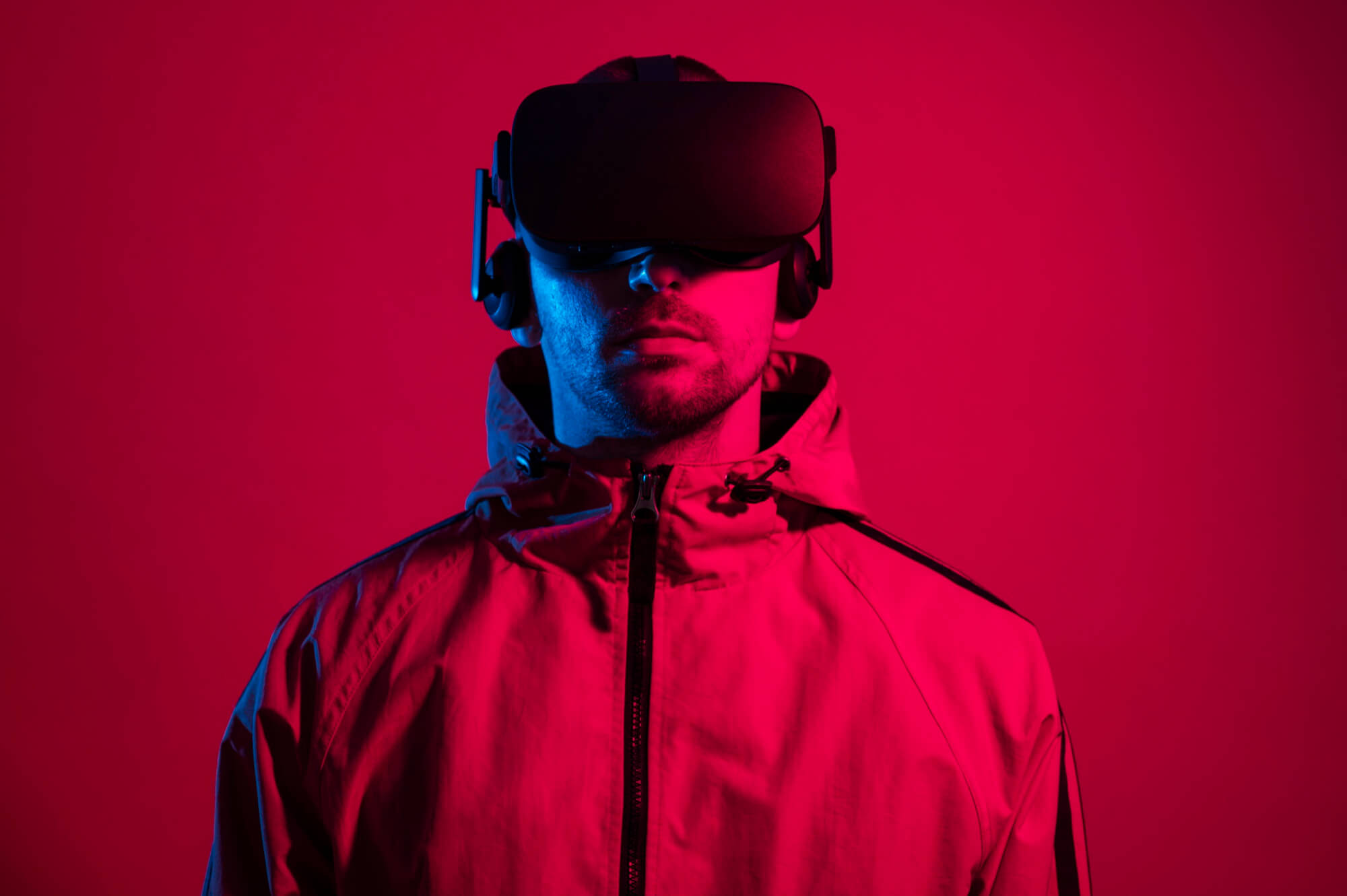
- Non-invasive BCIs: Use external sensors like EEG headsets to read brainwaves without surgery. These are safer but sometimes less precise.
- Invasive BCIs: Employ implants directly in brain tissue, providing high-fidelity signals. Although risky, invasive interfaces enable complex and highly accurate control.
AI plays a crucial role, particularly in non-invasive BCIs, by enhancing signal clarity and personalizing interpretation through machine learning models.
How AI Enhances Brain-Computer Interface Capabilities
AI-driven BCIs leverage:
- Machine learning to decode complex neural patterns accurately.
- Adaptive algorithms that learn from user’s brain activity over time.
- Real-time processing enables highly responsive interfaces that adjust dynamically.
This synergy between AI and neurotechnology transforms neural signals into actionable commands, unlocking vast applications unseen a few years ago. Learn more about AI’s potential in enhancing enterprise intelligence in our deep dive on AI reasoning unlocking new horizons.
Emerging Trends in AI-driven Neurotechnology for Human Augmentation
AI-powered Neural Decoding and Thought Communication
Recently, AI advancements have enabled real-time decoding of thoughts. This technology allows users, especially those with severe motor disabilities, to communicate merely by thinking. Companies harness AI-driven brain decoding to translate inner monologue into speech or text seamlessly. This innovation marks a milestone for assistive technologies and promises broader applications in the future.
Cognitive and Physical Augmentation Applications
AI-driven BCIs facilitate both mental and physical enhancements by:
- Improving memory and cognitive function through AI-enabled stimulation.
- Enabling precise control of prosthetic limbs via neural commands.
- Providing sensory augmentation, such as artificial vision or touch.
These enhancements significantly improve quality of life for users and expand human potential.
Mental Health and Wellness Applications
AI-driven BCIs also advance diagnostics and therapy for neurological and psychiatric conditions. Personalized neurofeedback systems use AI to monitor neural activity and customize treatments for disorders like epilepsy, depression, and PTSD.
Key Mental Health Benefits of AI-driven BCIs:
- Early detection through continuous neural monitoring.
- Non-invasive, personalized treatment plans.
- Enhanced patient outcomes via adaptive AI algorithms.
For related breakthroughs in AI-driven innovation, visit our article on breakthrough generative AI materials discovery.
Market Growth and Industry Players Driving AI-driven BCIs
Global Market Size and Growth Projections
The AI-driven Brain-Computer Interfaces market is projected to grow at a CAGR of over 15% by 2026, driven by healthcare demands, investment influx, and technological improvements. This growth is fueled by:
- Increasing adoption in medical therapies.
- Expansion into consumer electronics and virtual reality.
- Rising investments from venture capital and government funding.
Industry Leaders and Innovators
Prominent companies innovating in AI-driven BCIs include Neuralink, Kernel, and emerging startups focused on non-invasive wearable devices. These firms are not only advancing technology but also pioneering new use cases and commercial models.
Government and Academic Contributions
Governments worldwide boost AI-driven neurotechnology research via grants and collaborations. This public-private synergy accelerates innovation while addressing ethical and safety concerns.
Explore how AI-driven automation integrates with enterprise growth through boosting enterprise growth with agentic AI.
Ethical Aspects and Challenges of AI-driven Brain-Computer Interfaces
Privacy and Security Concerns
Brain data is intensely personal, making privacy a paramount issue. The rise of AI-driven BCIs necessitates robust cybersecurity frameworks to prevent unauthorized access. There is also an ongoing debate about ownership and usage rights of neural data in an AI context.
Ethical Challenges in Human Augmentation
Concerns about cognitive enhancement involve fairness, consent, and social impact. Ensuring equitable access to AI-driven BCIs and transparent regulation is crucial to avoid deepening inequalities.
Regulatory and Neuro-Rights Landscape
Emerging regulations focus on protecting “neuro-rights,” guarding against misuse of AI-interpreted brain data. A proactive approach involving technologists and policymakers is essential to balance innovation with human rights.
Future Outlook: What’s Next for AI-driven Brain-Computer Interfaces?
Advances in AI Models for Neural Interfaces
AI architectures will continue evolving to achieve:
- Better neural signal interpretation.
- More intuitive user adaptation.
- Multi-modal brain-signal processing.
Expanding Accessibility and Applications
AI-driven BCIs are set to become mainstream beyond medical uses, including applications in gaming, education, and smart environments.
Integration with Other Technologies
Future AI-driven BCIs will synergize with technologies like quantum computing and high-speed networks to boost performance dramatically. For an exploration of quantum impacts on AI, see unlocking quantum AI breakthroughs.
Why AI-driven Brain-Computer Interfaces Matter Today
To summarize, AI-driven Brain-Computer Interfaces represent a paradigm shift in how humans interact with machines and with each other. Their growing impact promises new levels of human augmentation and enterprise innovation. By investing in and understanding these technologies, professionals position themselves to harness unprecedented benefits.
Benefits of Embracing AI-driven Brain-Computer Interfaces Today:
- Accelerate innovation in healthcare and technology.
- Unlock new user experiences in augmented reality and daily life.
- Drive ethical and equitable adoption of neural enhancements.
Stay ahead in this fast-evolving landscape by following cutting-edge research, engaging with startups, and advocating for ethical AI-driven neurotechnology development. As AI-driven BCIs reshape industries, being informed is key to leveraging their full potential responsibly.