



In 2025, AI text generation has transformed the writing landscape, powering a new era of content creation that is faster, smarter, and more efficient than ever before. What if the words flowing onto your screen could be crafted by intelligent algorithms, boosting creativity and productivity simultaneously? AI text generation, leveraging breakthroughs in natural language processing (NLP) and deep learning, is reshaping how content is created across industries. This blog explores the technology behind AI-generated text, highlights the best AI writing tools of 2025, reveals emerging trends, and examines future possibilities that will define the content creation ecosystem for years to come.
What is AI Text Generation?
AI text generation refers to the use of artificial intelligence technologies to automatically produce human-like written content. Modern AI writing tools utilize advanced NLP techniques, large language models (LLMs), and deep learning algorithms to understand prompts and generate coherent, contextually relevant text much beyond traditional auto-correct or spell-check tools. Unlike earlier writing aids, AI text generators create original drafts, suggest content improvements, and tailor tone and style to brand voice, effectively serving as creative writing collaborators rather than mere typing assistants.
Leading AI Text Generation Tools in 2025
The market in 2025 boasts several powerful AI writing platforms, each with unique strengths, including:
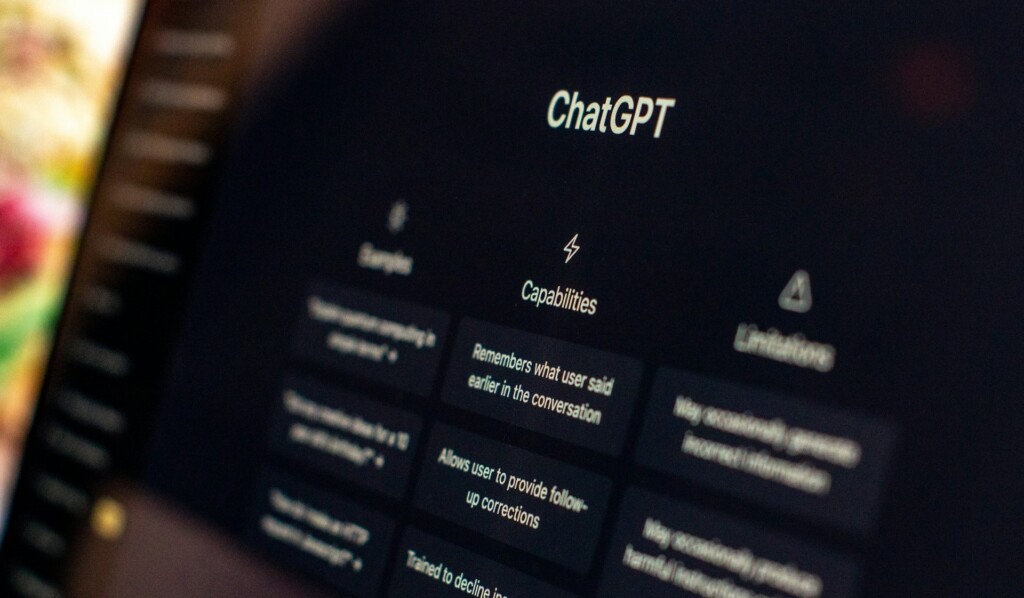
- ChatGPT: Renowned for conversational AI and long-form content creation, suitable for blogs, customer support, and creative writing.
- Jasper: Popular for SEO-driven, marketing copy with over 50 content templates, brand voice customization, and Surfer SEO integration.
- Writesonic: Combines AI generation with strong SEO capabilities and multilingual support, ideal for bloggers and affiliate marketers.
- Lindy: Best for crafting emails and professional communications efficiently.
- Reword: Functions as an AI writing assistant that learns user style and offers in-depth editing help and collaboration tools.
Pros and Cons
- Pros: Increased writing speed, creative idea generation, scalability in content volume, and improved content quality.
- Cons: Occasional inaccuracies or “hallucinations,” risk of generic outputs, potential biases, and reliance on human editing for authenticity.
How AI Text Generation is Transforming Content Creation
AI aids bloggers, marketers, and content creators by automating first drafts, brainstorming, SEO optimization, and personalized content targeting. For example, AI helps generate weeks’ worth of social media posts or detailed blog outlines in minutes, significantly cutting down labor-intensive tasks. It unlocks creativity by providing fresh perspectives and mitigating writer’s block, while marketers harness it to tailor messages for segmented audiences based on behavioral data, enhancing engagement and conversion rates.
Emerging Trends in AI-Generated Text
- Personalization at Scale: AI crafts hyper-targeted content by adjusting tone and information to audience segments using behavioral and contextual data. (For a deeper dive, check out our blog on Hyper-personalized Predictive AI: How AI Anticipates User Needs Before They Do).
- SEO Integration: Real-time keyword insights and voice search optimization with AI-driven metadata adjustments are standard practices.
- Ethical Concerns: Transparency, content authenticity, and combating misinformation remain critical topics in AI content deployment.
- Multimodal Content: Integration of text generation with video, voice, and interactive media is rising, creating richer digital experiences.
Challenges and Limitations of AI Text Generation
Despite advances, AI-generated content can suffer from originality issues, occasional factual errors, and unintentional biases. Overreliance on AI may dull human creativity or reduce the nuanced emotional quality that skilled writers provide. Hence, human oversight, careful editing, and ethical use are indispensable to uphold quality and authenticity.
Future Outlook: What’s Next for AI in Content Creation?
AI content creation advances will focus on smarter, context-aware tools that act as creative copilots, capable of adaptive learning, real-time performance-based content updates, and deeper ecosystem integration across multimedia forms. Writers will evolve into hybrid creators who harness AI’s strengths for scale and efficiency while preserving human creativity and critical judgment. Industry standards for AI content transparency and ethical guidelines are expected to shape future deployments, ensuring sustainable collaboration between humans and AI.
Conclusion
The rise of AI text generation in 2025 marks a pivotal revolution in content creation, empowering creators with unprecedented tools to produce personalized, high-quality content faster and more effectively. As AI continues to evolve, embracing these technologies responsibly will unlock new creative frontiers. Readers are invited to share their experiences with AI-generated content, discuss its impact, and explore further insights by subscribing and engaging with this blog series.





Edge Computing Real-Time Data Processing in 2025: Trends & Use Cases
[…] The Rise of AI Text Generation: Revolutionizing Content Creation in 2025 […]