



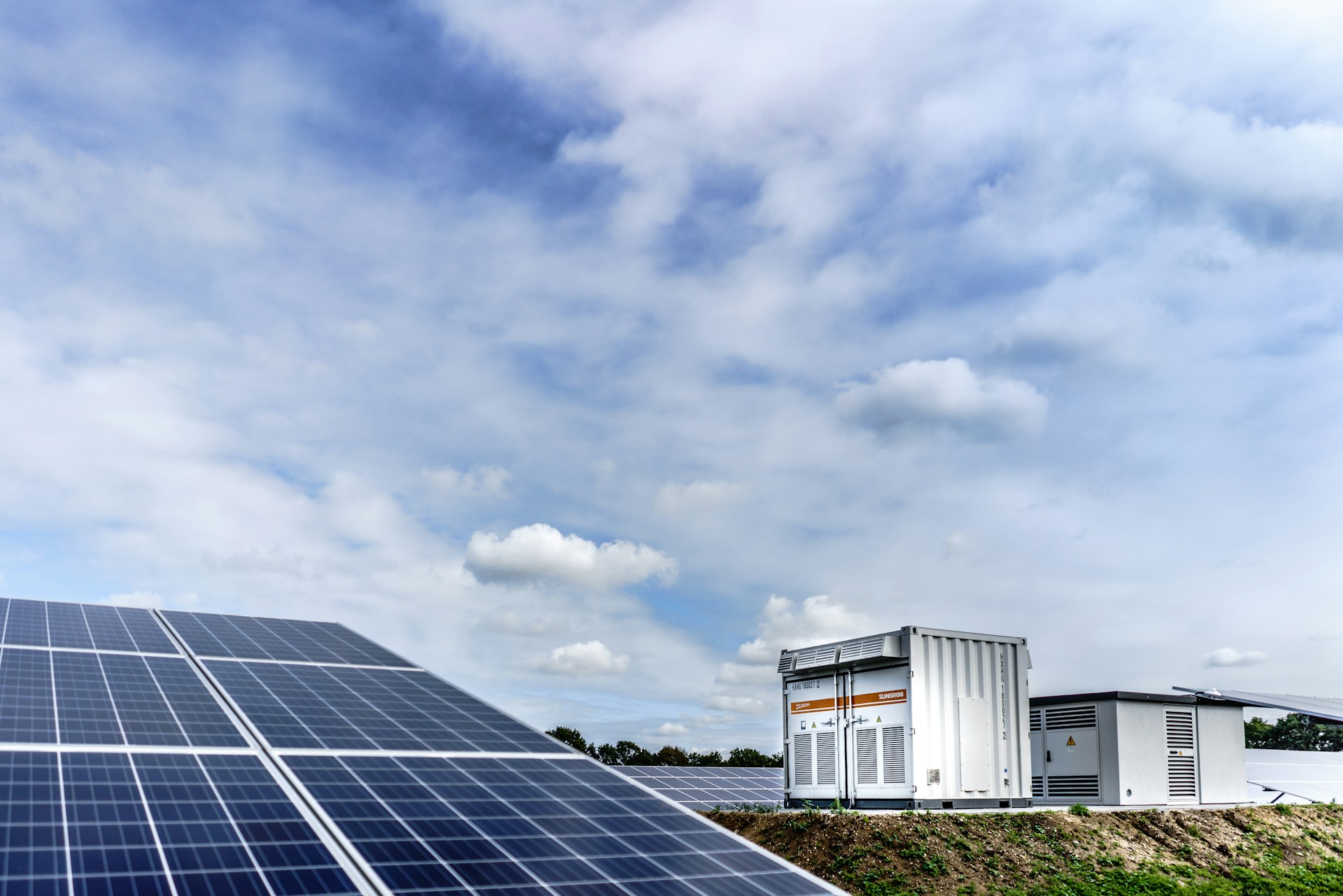
Energy storage is a critical bottleneck in the clean energy transition. While renewable power generation is advancing rapidly, efficient energy storage limits its large-scale adoption. Fortunately, in 2025, artificial intelligence (AI) is transforming battery technology at an unprecedented pace. As a result, innovations that once took years now occur in months.
This blog reveals how AI accelerates battery research—from material discovery to real-time optimization and predictive maintenance. For instance, McKinsey’s 2025 report shows AI cut battery innovation cycles by over 50%. Moreover, to grasp AI’s broader impact, see how agentic AI is driving explosive growth.
Why Energy Storage Innovation is a Game-Changer in 2025
The demand for advanced batteries is booming. Specifically, electric vehicles (EVs), grid-scale renewable storage, and IoT devices require better energy storage. According to BloombergNEF, the EV battery market is set to exceed $100 billion by 2027.
However, current battery tech struggles with limitations. These include low capacity, lengthy charging times, and scarce materials like lithium and cobalt. Without breakthroughs, these issues slow down clean energy adoption. Therefore, AI’s role becomes crucial. It rapidly discovers new materials, optimizes designs, and extends battery lifecycles. In addition, AI-powered edge computing enhances battery data processing, boosting efficiency.
How AI is Revolutionizing Battery Research and Development
Machine Learning Accelerates New Material Discovery
Machine learning simulates novel battery materials swiftly and accurately. Instead of years of trial and error, AI analyzes massive data to find promising electrodes and electrolytes. For example, MIT teamed with industry partners to develop an AI-designed solid-state electrolyte, safer and longer-lasting than previous versions. This leap shortens innovation timelines significantly.
AI-Driven Battery Design and Optimization
AI also optimizes battery structure dynamically. It adjusts electrode layering and chemical makeup to maximize efficiency. A startup improved battery energy efficiency by 25% using such AI techniques. This aligns with a wider trend: micro-SaaS innovations accelerated by AI are reshaping technology landscapes in 2025.
Predictive Maintenance Extends Battery Lifespans
Moreover, AI shifts maintenance from reactive to predictive. By monitoring health metrics like temperature and charge cycles, AI predicts failures before they occur. Consequently, EV fleets and renewable plants reduce downtime and costs. This trend parallels advances in cybersecurity, for instance, with LLM honeypots revolutionizing cyber deception.
Industry Impact and Alignment with Clean Energy Goals
AI-enhanced batteries impact various sectors. First, electric vehicles benefit from longer ranges and faster charging. This supports the predicted $100 billion market growth. Second, renewable grids become more stable thanks to AI-optimized batteries, facilitating decarbonization. Finally, smaller and more efficient batteries power consumer electronics and IoT devices. Notably, global investment in AI-driven energy storage exceeded $4 billion in 2024.
Challenges and Ethical Considerations in AI Battery Technology
Despite progress, challenges persist. Firstly, AI requires high-quality data, which can be scarce and computationally intensive to process. Secondly, ethical sourcing of materials remains vital to prevent environmental harm. Thirdly, regulatory hurdles delay commercial adoption of AI-designed batteries. Therefore, collaboration across industries is essential for responsible innovation.
Looking Ahead: AI and Battery Innovation Beyond 2025
Looking forward, AI will drive further breakthroughs. Quantum computing could turbocharge battery simulations. Autonomous AI labs will speed experiments, reducing human intervention. Also, AI marketplaces for battery materials will democratize innovation. Ultimately, sustained collaboration and investments are keys to success, mirroring growth seen in agentic AI sectors.
Conclusion: Seizing the AI-Powered Energy Storage Future
In conclusion, AI is revolutionizing battery technology and solving energy storage challenges critical to clean energy goals. By accelerating material discovery, optimizing design, and enabling predictive maintenance, AI is essential for the transition to sustainable energy. Stakeholders should stay updated on these advances to remain competitive. For broader AI insights, check out LLM honeypots in cybersecurity and the rise of micro-SaaS innovations.